

1.屠呦呦获诺贝尔奖【高中英语选修一Unit1 】
2019新人教版高中英语选修一第1-5单元教材的原文与中文理解
Unit1 People of Achievement 功勋人物
Reading and Thinking P2
1. 屠呦呦获诺贝尔奖TU YOUYOU AWARDED NOBEL PRIZE【高中英语选修一Unit1 】
6 October 2015
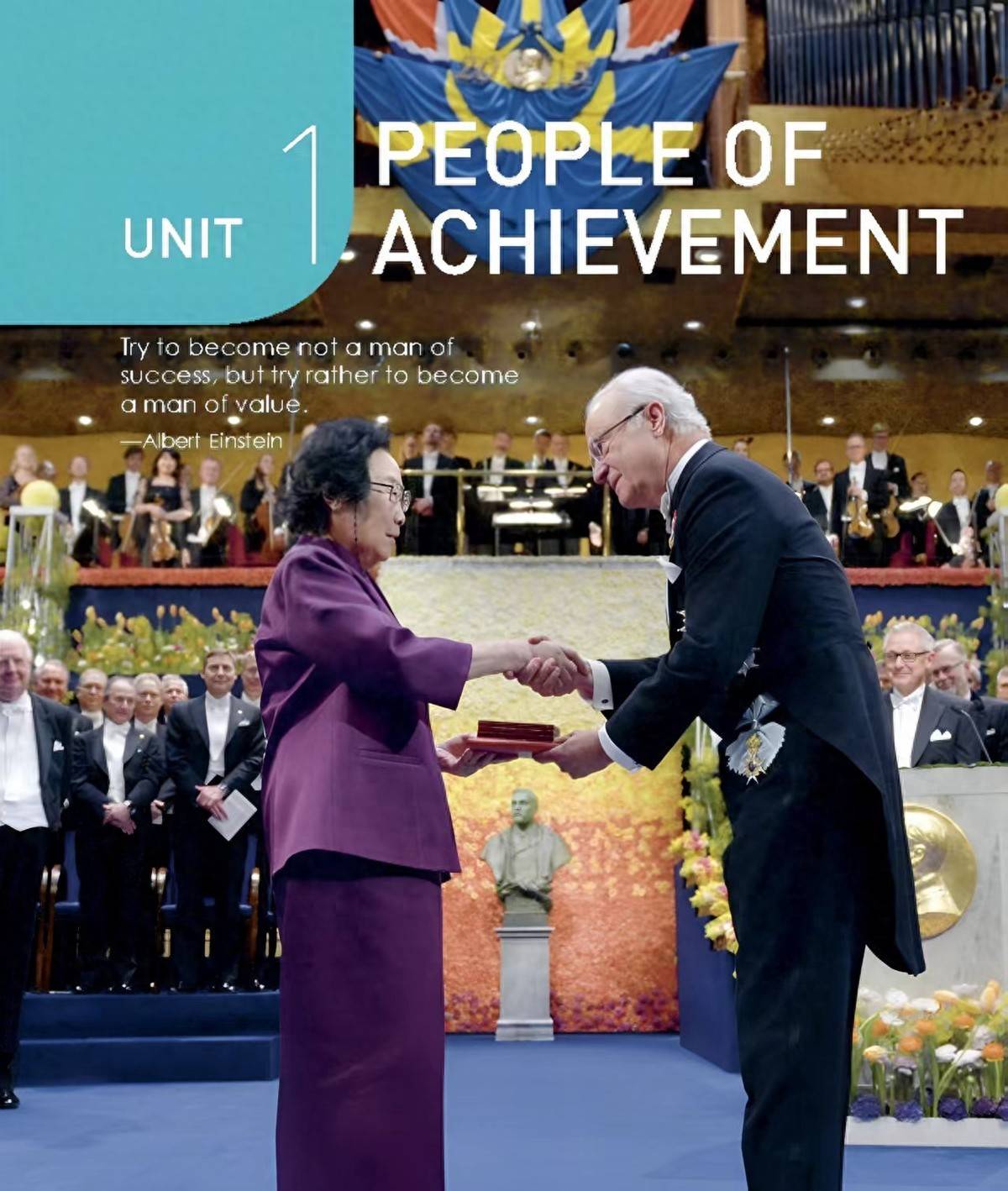
This year’s Nobel Prize for Physiology or Medicine has been awarded to Tu Youyou (co-winner), whose research led to the discovery of artemisinin, a crucialnew treatment for malaria. Artemisinin has saved hundreds of thousands of lives, and has led to improved health for millions of people.
今年的诺贝尔生理学或医学奖授予了屠呦呦(共同获奖者),她的研究促使了青蒿素的发现。这是一种至关重要的治疗疟疾的新疗法。青蒿素挽救了数十万人的生命,并改善了数百万人的健康状况。
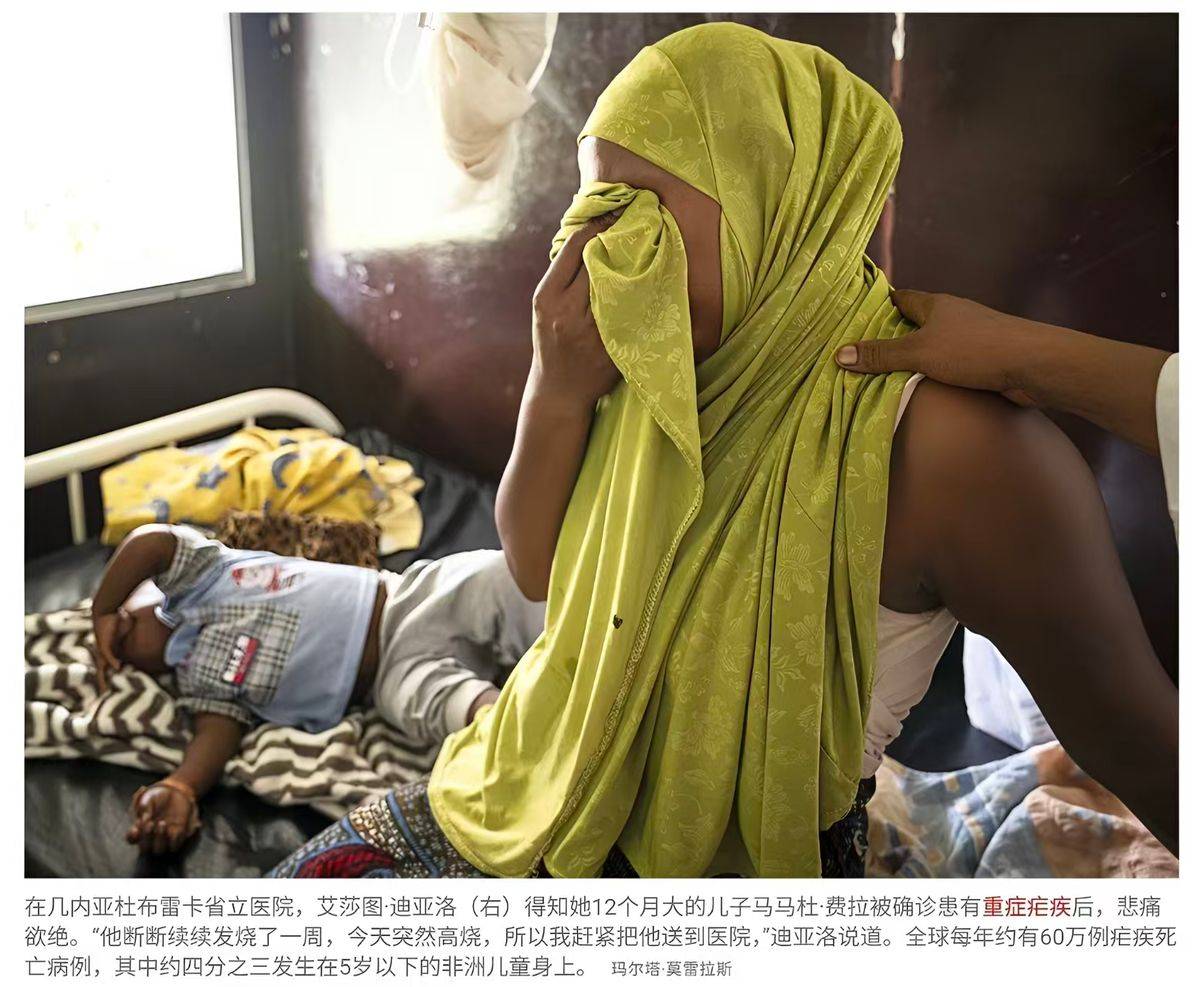
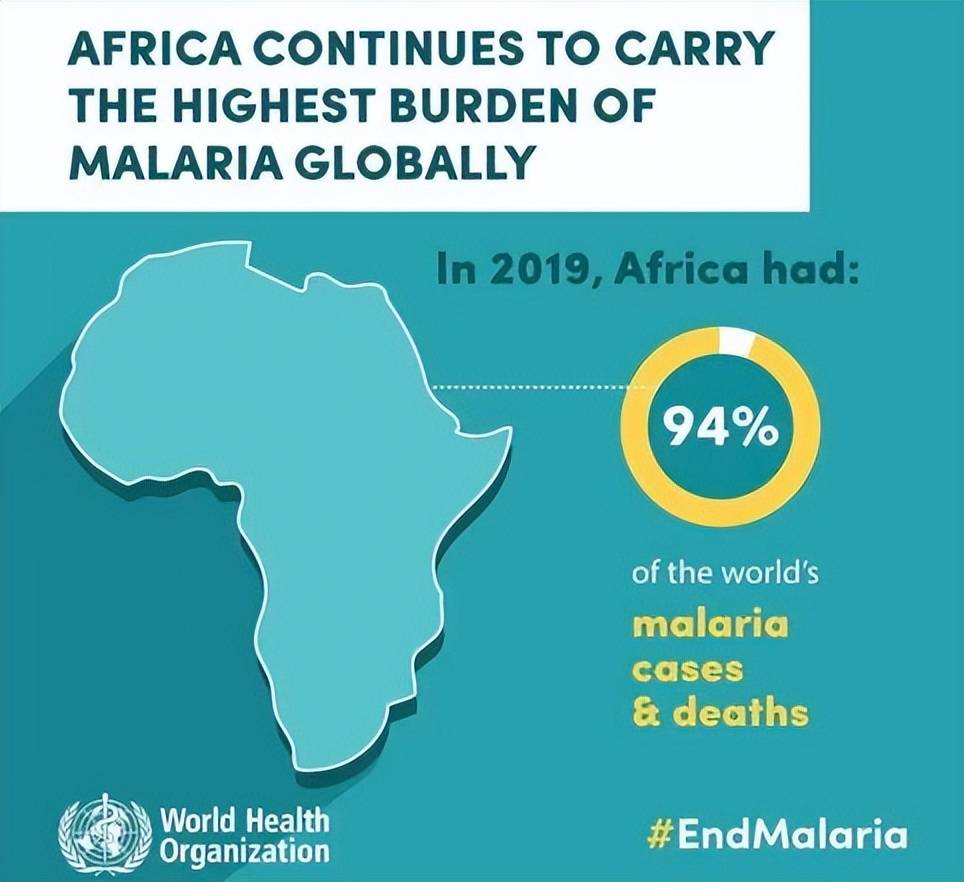
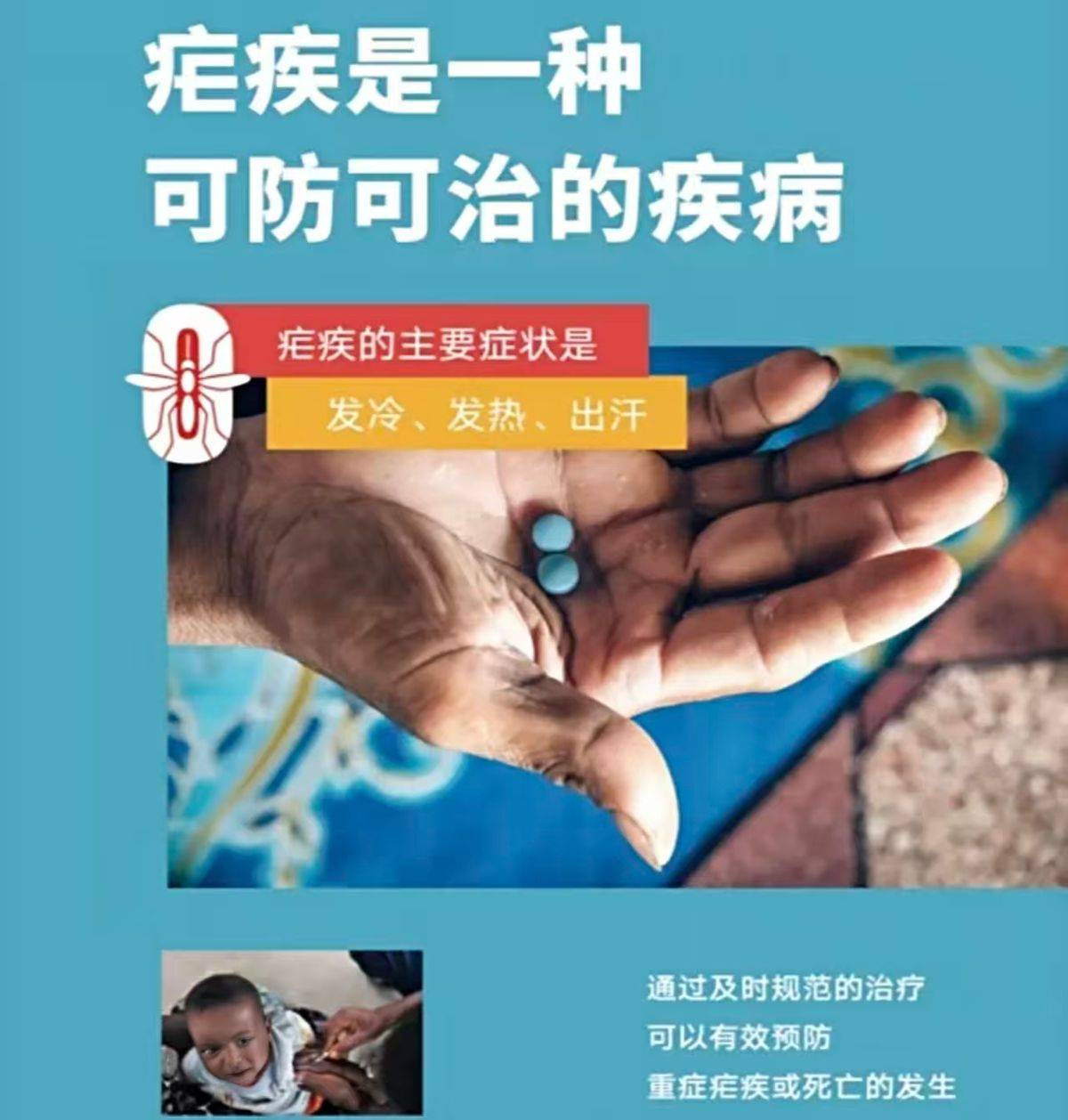
Over 200 million people around the world get malaria each year, and about 600, 000 die from it. Artemisinin has become a vital part of the treatment for malaria, and is thought to save 100, 000 lives a year in Africa alone.
全世界每年有超过2亿人罹患疟疾,约60万人死于疟疾。青蒿素已成为治疗疟疾的重要组成部分,据认为仅在非洲一年就能挽救10万人的生命。
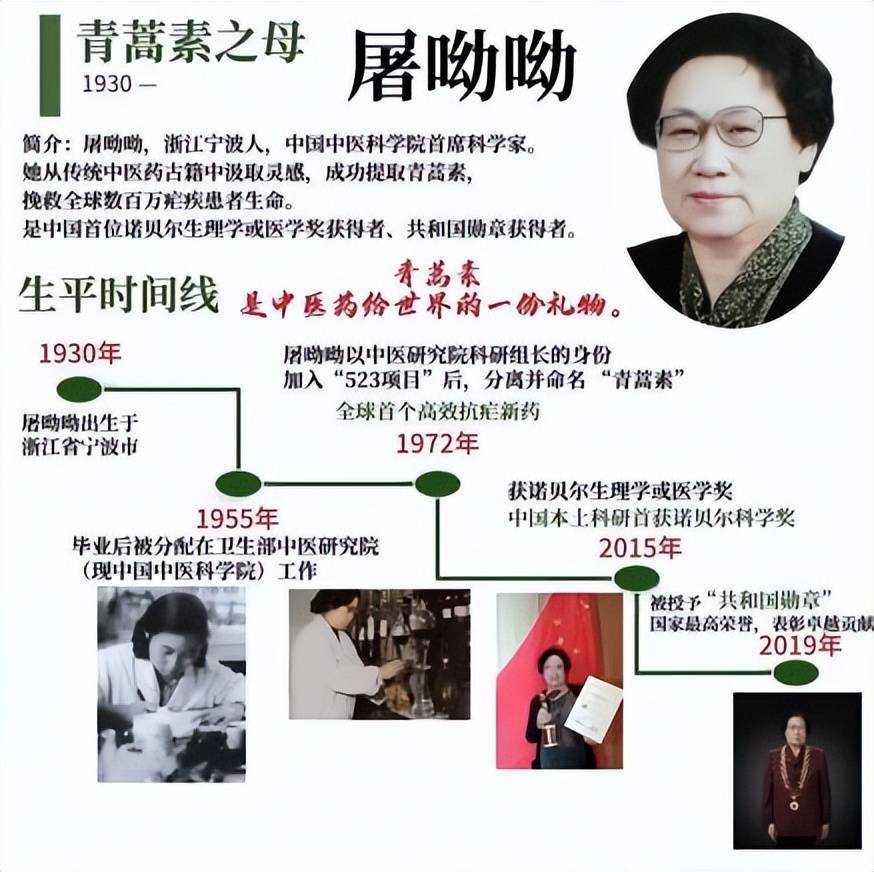
Tu Youyou, a committed and patient scientist, was born in Ningbo, China, on 30 December 1930, and graduated from Peking University Medical School in 1955. After she graduated, she worked at the China Academy of Traditional Chinese Medicine in Beijing.
屠呦呦是一位坚定而耐心的科学家,1930年12月30日出生于中国宁波,1955年毕业于北京大学医学院。毕业后,她在北京的中国中医研究院工作。
In 1967, the Chinese government formed a team of scientists with the objectiveof discovering a new treatment for malaria, and Tu Youyou was among the first researchers chosen. In the beginning, Tu Youyou went to Hainan, where malaria was more common, to study malaria patients.
1967年,中国政府组建了一支以探索治疗疟疾新方法为目的的科学家队伍,屠呦呦是其中首批入选的研究人员。在开始的时候,屠呦呦去了海南研究疟疾患者,在那里疟疾较为普遍。
In 1969, she became the head of the project in Beijing, and decided to review ancient Chinese medical texts to find traditional botanicaltreatments for the disease. Her team examined over 2, 000 old medical texts, and evaluated280, 000 plants for their medical properties.
1969年,她成为北京项目的负责人,并决定复阅中国古代医药文献,寻找这种疾病的传统植物疗法。她的团队查阅了2000多本古老的医药文献,并对280 000种植物的药用价值进行了评估。
From their research, they discovered and tested 380 distinctancient Chinese medical treatments that showed promise in the fight against malaria.
在他们的研究中,他们发现并测试了380种不同的中国古代疗法,这些方法为抗击疟疾带来了希望。
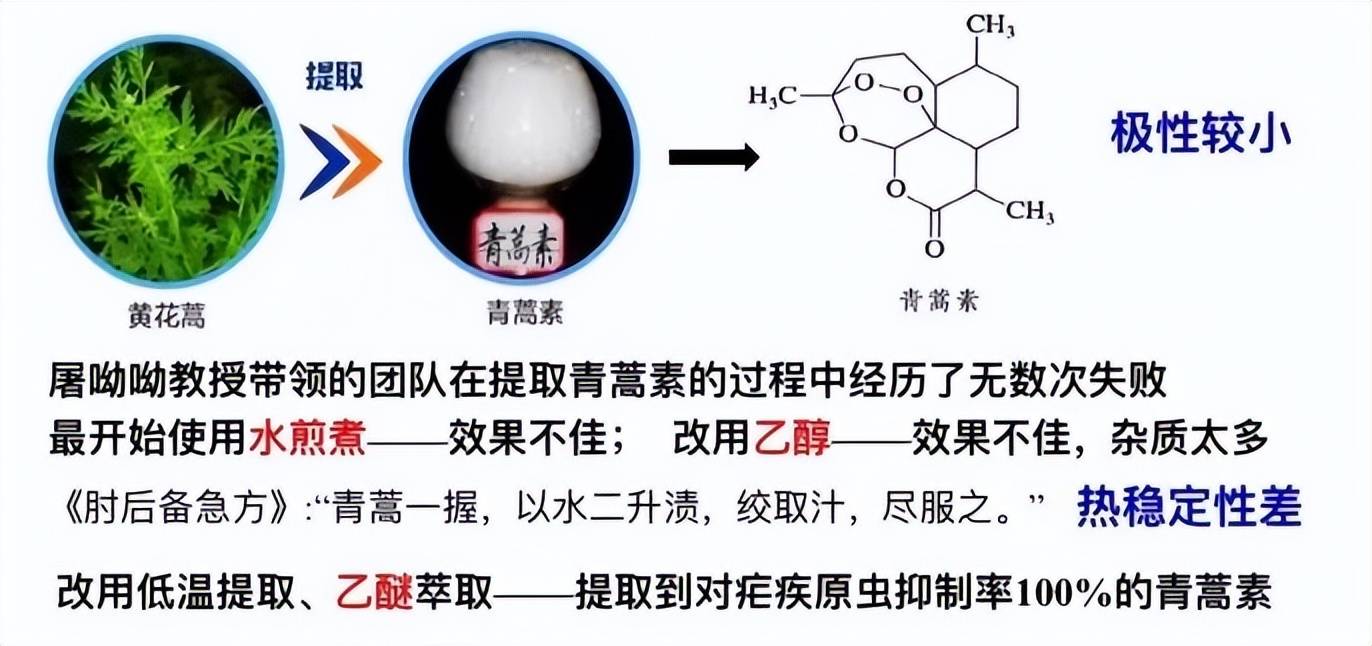
One medical text from the fourth century suggested using the extract from sweet wormwood to treat a fever. Tu’s team tested a collection of dried wormwood leaves but found no effect.
一本四世纪的医药文献推荐使用青蒿提取物来治疗发烧。屠呦呦的团队测试了一批干青蒿,但没有发现效果。
They then tried boilingfresh wormwood, and using the liquid obtainedfrom this to treat malaria, but this did not work either.
然后,他们试着把新鲜的青蒿煮沸,并用从中提取的液体来治疗疟疾,但这也不起作用。
Their project got stuck. However, Tu Youyou would not acknowledge defeat. She analysedthe medical texts again, and by chance, she found one sentence suggesting a different way to treat the wormwood.
他们的项目陷入了困境。然而,屠呦呦并不承认失败。她再次分析了一遍医药文献,偶然间,她发现了一句话,建议用另一种方法来处理青蒿。
She concluded that boiling the sweet wormwood apparently destroyed its medical properties. Using a lower temperature to draw out the extract, she found a substancethat worked. After failing more than 190 times, the team finally succeeded in 1971.
她得出结论,煮青蒿显然破坏了它的药用价值。她用较低的温度提取提取物,发现了一种有效的物质。在失败了190多次之后,这个团队终于在1971年成功了。
Tu Youyou and her team members even insisted on testing the medicine on themselves to make sure that it was safe.
屠呦呦和她的团队成员甚至坚持在自己身上测试药物,以确保它是安全的。
Later, the medicine was tested on malaria patients, most of whom recovered. This medicine,which was called artemisinin, soon became a standard treatment for malaria.
后来,这种药物在疟疾患者身上进行了测试,大部分受试患者都康复了。这种被称为青蒿素的药物很快成为治疗疟疾的标准药物。
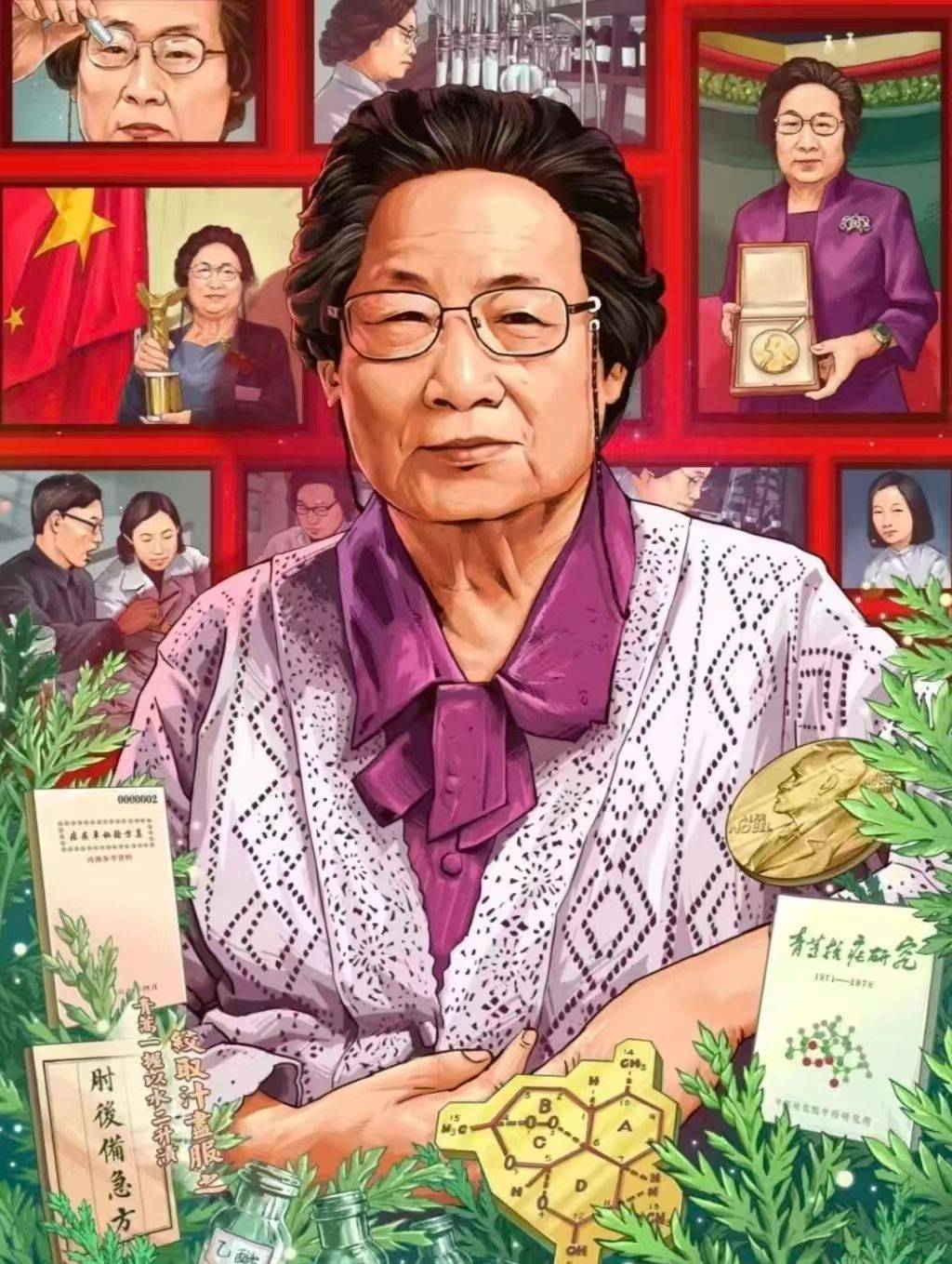
According to Tu Youyou, the discovery of artemisinin was a team effort. Upon hearing that she had been awarded the Nobel Prize, she said, “The honour is not just mine. There is a team behind me, and all the people of my country. This success proves the great value of traditional Chinese medicine. It is indeed an honour for China’s scientific research and Chinese medicine to be spread around the world.”
屠呦呦说,青蒿素的发现是一个团队努力的结果。当听到自己被授予诺贝尔奖时,她说:“这个荣誉不仅仅属于我。在我身后有一个团队,还有我的国家的全体人民。这一成功证明了中医的巨大价值。中国的科学研究和中医药走向世界,确实是一种荣誉。”
Explorer of Innovative Thinking
Author: Li Hong
Yunyang High School, Shiyan City, Hubei Province
August 15, 2026
上一篇:幼教西化危害大!幼儿园疯抢外教,正在制造文化断根的下一代
下一篇:没有了